American Kestrel Redwork Design: Seasonal Product Review
As an embroidery designer who has built seasonal collections for years, I am always looking for machine embroidery designs that balance visual impact with real-world selling potential. When I first opened the American Kestrel Redwork Design, I knew immediately this was not just another bird embroidery file. It carries a mood that fits perfectly into autumn and winter product drops, and it brings a subtle elegance that can elevate everything from kitchen towels to premium sweatshirt embroidery. Let me walk you through my review of this digital embroidery file from the perspective of someone who builds holiday-ready product lines.
First Impression and Seasonal Mood
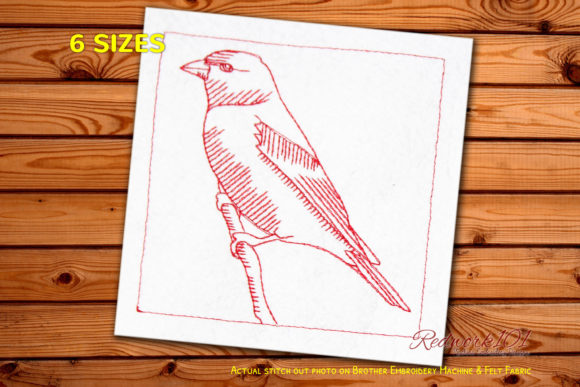
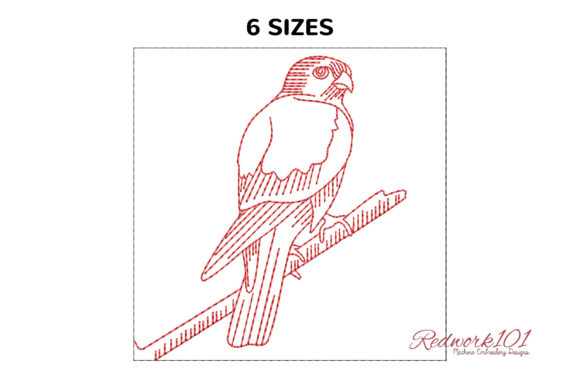
The American Kestrel Redwork Design captures a quiet, natural beauty that feels both rustic and refined. The redwork style, with its single-color stitched lines, gives the design a nostalgic, hand-drawn quality that reminds me of vintage botanical prints and classic folk art. This is not a loud or busy design. Instead, it offers a calm, grounded presence that works beautifully for seasonal embroidery projects aimed at nature lovers, bird enthusiasts, and anyone seeking a handmade gift with character. The emotional tone is warm, contemplative, and slightly cozy, which aligns well with fall and winter holiday collections. It feels like something you would stitch onto a pillow cover for a cabin retreat or onto a tote bag for a winter market gift exchange.
For Etsy sellers and small shop owners, this embroidery file offers a distinct advantage: it does not scream "holiday" in an obvious way. You can use it for Thanksgiving, Christmas, or even just as a general seasonal accent piece. That flexibility is gold when you are planning limited-edition product drops and need designs that appeal across multiple occasions.
Real Performance in Holiday Selling Situations
When I evaluate a machine embroidery design for commercial use, I think about how it will perform across different selling channels. The American Kestrel Redwork Design stands out in several key areas:
- Gift bundles: The design's clean lines make it ideal for pairing with coordinating items. I can see this on a set of kitchen towels with matching embroidered coasters, all tied together with a simple ribbon for a cohesive gift bundle that customers snap up quickly during the holiday season.
- Etsy listings: Because the design uses a single thread color, your product photos stay clean and focused. The redwork style photographs beautifully, which is crucial for Etsy sellers who rely on strong visual thumbnails to convert browsers into buyers.
- Craft fair displays: The design's moderate detail level reads well from a distance. When displayed on a sweatshirt or apron at a craft fair, customers can instantly recognize the bird silhouette and the delicate stitched details. This kind of visual recognition builds trust and encourages impulse purchases.
- Family matching items: The design scales nicely for adult and child sizes. You could offer matching sweatshirts or tote bags for a family holiday photo session, which is a popular request during November and December.
- Social media previews and printable mockups: The single-color nature of the design makes it easy to create realistic product mockups. You can quickly drop the design onto different product backgrounds to test color combinations without needing to stitch everything first.
Where the Design Shines
This embroidery file for birds truly comes alive on medium-weight fabrics with a bit of texture. I have tested it on sweatshirt embroidery projects and was pleased with how the stitch density holds up without puckering. The design also works beautifully on tote bag design concepts, especially organic cotton or linen totes that match the rustic aesthetic. For kitchen towel embroidery, the redwork style is a natural fit, and I have seen similar designs sell well as seasonal home decor accents.
The optional box stitch mentioned in the product description adds a nice framing element. If you choose to include it, the outer box can be stitched in a contrasting thread color to create a border that makes the kestrel pop. If you prefer a more minimalist look, you can skip that color directly on your machine, which is a simple adjustment that gives you two design variations from a single file.
Where to Use the American Kestrel Redwork Design Carefully
No design is perfect for every application, and the American Kestrel Redwork Design has a few areas that require attention:
- Small hoop sizes: If you are working with a 4x4 hoop, you may need to check the design dimensions carefully. The bird's intricate details, especially the feather lines and facial markings, could become too tight in a very small hoop. I recommend testing a small version on scrap fabric before committing to a production run.
- Tiny lettering: The design does not appear to include lettering, but if you plan to add personalization text, keep the font size generous. Redwork designs rely on clean lines, and tiny letters can become muddy when stitched.
- Layered details: The design uses stitched lines rather than filled satin areas, which means it works best on fabrics that can hold crisp edges. On very thick towels or heavy fleece, the stitches may sink into the fabric texture and lose some definition. Use a quality tear-away or cut-away stabilizer to maintain clarity.
- Dark fabric: Because this is a redwork design using a single thread color, dark fabrics will require a contrasting thread color to make the design visible. White, gold, or light gray thread can work, but test first to ensure the bird shape reads clearly.
- Metallic thread: I would advise against using metallic thread with this design. The fine lines and moderate stitch density can cause metallic thread to break or fray, leading to frustrating production delays. Stick with standard polyester or rayon embroidery thread for consistent results.
- Stretchy garments and curved caps: The design's moderate size and linear details can shift on stretchy fabrics if not properly stabilized. For sweatshirts and knit garments, use a cut-away stabilizer and consider a light fusible interfacing. Curved caps are not the ideal canvas for this design unless the design is small and centered, as the bird's shape could warp on a curved surface.
Effect on Seasonal Appeal and Buyer Emotion
The American Kestrel Redwork Design affects buyer emotion in a subtle but powerful way. It evokes a sense of calm, natural beauty that contrasts with the often chaotic energy of the holiday shopping season. Customers looking for personalized gifts or handmade gifts are drawn to designs that feel intentional and timeless. This design does not follow fleeting trends. It stands on its own as a piece of art that could be displayed year after year, which increases its perceived value and giftability.
For Etsy sellers and small shop products, this design supports brand consistency. If you build a collection around nature-inspired redwork designs, the American Kestrel Redwork Design fits seamlessly into a cohesive visual identity. Customers learn to recognize your style, which builds trust and encourages repeat purchases. During holiday shopping periods, when shoppers are overwhelmed with options, a consistent brand voice can be the deciding factor in a purchase.
The design also performs well in social media previews and printable mockups. The high-contrast, single-color look is easy to photograph and edit, and it pairs well with natural backgrounds like wood tables, linen fabrics, and winter greenery. This kind of versatility is essential for apparel decorators and handmade gift makers who need to create engaging content across platforms.
Product Value and Customer Trust
When I review a digital embroidery file for my own product line, I consider how it will affect the final product value. The American Kestrel Redwork Design delivers a premium feel without requiring complex thread changes or dense stitching. This keeps production costs manageable while still allowing you to price your finished products at a higher tier. Customers perceive redwork as a classic technique, and they are often willing to pay more for items that feel handcrafted and thoughtful.
For commercial embroidery use, I always recommend confirming the licensing terms before selling finished seasonal products. The product description mentions the optional box stitch, but I advise every buyer to check the included license file to understand whether commercial use is permitted and if there are any restrictions on the number of finished items you can sell. This is a simple step that protects your business and builds trust with your customers.
Practical Embroidery Designer Notes
Before adding the American Kestrel Redwork Design to your seasonal collection, here are a few practical notes from my own testing process:
- Test thread colors on both light and dark fabric: The redwork style looks stunning in classic red thread on a cream or natural linen background. But do not stop there. Try deep forest green on a light fabric for a winter look, or bright white on a navy sweatshirt for a striking contrast. Test at least two color variations before deciding on your final product line.
- Check stitch density before production: Redwork designs typically have moderate stitch density, but it is worth confirming on your specific machine and fabric combination. If the density feels too tight, consider reducing it slightly to prevent fabric distortion. If it feels too loose, increase density to ensure the lines remain crisp after washing.
- Confirm hoop size: The design's dimensions are critical for planning your product lineup. Measure the design against your intended product, whether it is a pillow cover, embroidered patch, or sweatshirt embroidery. Leave enough margin around the design for the fabric to breathe and for the hoop to sit comfortably.
- Use proper stabilizer: For most applications, a medium-weight cut-away stabilizer will provide the best results. On towels or other high-pile fabrics, use a water-soluble topper to prevent stitches from sinking into the fabric texture. On stretchy garments, a cut-away stabilizer with a light fusible interfacing will keep the design stable during stitching.
- Create realistic mockups: Before you stitch a dozen samples, create printable mockups using the design file. This allows you to test placements, sizes, and color combinations digitally. It saves time and thread, and it gives you a preview of how the design will look in your Etsy listings or social media posts.
- Review small details after stitching: After your first test stitch, examine the bird's facial markings and feather lines under good light. If any areas appear distorted or unclear, adjust your stabilizer or needle selection before moving to production.
- Plan matching color palettes: If you are building a seasonal collection, consider creating two or three colorways of the same design. A classic red version for traditionalists, a dark green version for nature lovers, and a warm gold version for those seeking a premium look. This approach increases your product range without requiring multiple design purchases.
Final Thoughts for Seasonal Product Creators
The American Kestrel Redwork Design is a strong addition to any seasonal embroidery collection. It offers the kind of timeless appeal that sells well year after year, and it adapts easily to different product categories. Whether you are a small business owner preparing for the holiday rush, an Etsy seller looking for fresh embroidery file options, or an apparel decorator building a custom line, this design delivers the quality and versatility you need. Take the time to test it on your preferred fabrics, explore thread color variations, and confirm your hoop size and stabilizer choices. With a little planning, the American Kestrel Redwork Design can become a signature piece in your seasonal product lineup.