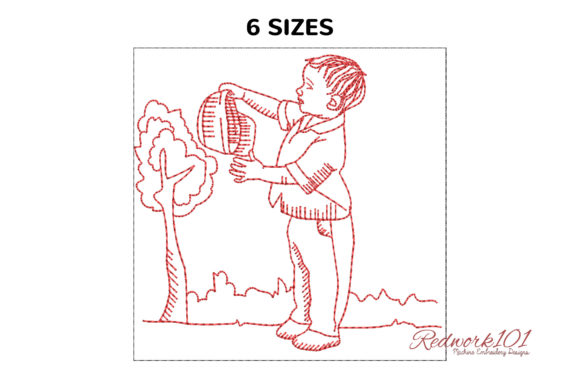
Cute Boy Play with Cap Lineart Design
When I first opened the embroidery file for Cute Boy Play with Cap Lineart Design, I immediately saw its potential for a boutique sweatshirt drop. The lineart style feels fresh, playful, and surprisingly versatile—especially for a small shop aiming to stand out with custom apparel that isn't overly complicated. As an experienced embroidery designer, I evaluate every file not just for aesthetic appeal but for how it performs under the needle, how it reads on different fabrics, and how it translates into a finished product that builds buyer trust. This particular design checks many boxes for a premium, handmade collection.
First Impressions: Mood, Layout, and Stitching Personality
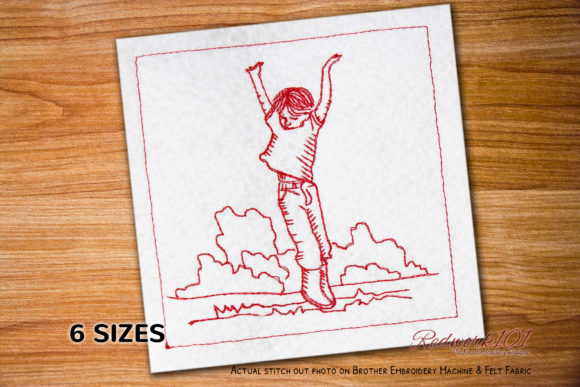
The first thing I noticed is the effortless, sketch-like charm of the cap-wearing boy at play. The lineart has a relaxed energy that feels nostalgic without being childish—perfect for an oversized hoodie or a cozy seasonal sweatshirt. The detail level is moderate: enough strokes to give the character personality, but not so many that small stitches get lost or cause excessive density. This is crucial for commercial embroidery because overly dense designs can stiffen fabric or cause registration issues. Here, the stitching personality is light and airy, which makes it ideal for soft, neutral sweatshirts in cream, heather gray, or slate.
The optional Box Stitch is a clever addition. As the product description notes, you can either include it or skip it, and the outer box color can differ from the design itself—or you can omit it entirely and let the boy stand alone. This flexibility allows the design to feel either more structured (with a framed look) or more organic (without the box). For a boutique brand, that’s a huge advantage: one file gives you two distinct looks. On a pastel hoodie, the box stitch in a muted tone adds a decorative border that frames the art beautifully. On a dark fabric, skipping the box keeps the focus on the lineart, which reads well when the thread color contrasts sharply with the shirt.
Placement Options for Sweatshirts and Hoodies
From a placement standpoint, this machine embroidery design is flexible enough to work in several spots, each creating a different impression. Let me walk through a few that have proven successful for my own boutique projects:
- Center Chest (Standard Hoodie Design): At roughly 4 to 5 inches wide, the design sits perfectly on the left chest or center chest of an adult sweatshirt. This is the classic placement for custom apparel—it’s noticeable without being overwhelming. The boy’s playful pose draws the eye, and the lineart feels modern and minimal. This placement works especially well for Etsy sellers who want a design that looks great both in mockups and in real life.
- Sleeve Accent: Because the lineart is relatively compact, it can be scaled down slightly for a sleeve application. I’ve used similar designs on the upper sleeve of an oversized hoodie, and it creates a subtle, trendy accent that appeals to customers looking for something unique. For this design, the cap becomes a natural focal point when placed on the sleeve—it breaks up the solid fabric and adds a couture touch.
- Back Design (Center or Upper Back): If you want a bolder statement, enlarge the design for the back of a sweatshirt. The lineart style holds up well when scaled up because the strokes are clean and the negative space is generous. A back placement turns the design into a conversation piece, especially when paired with a smaller chest version of the same image. Just be mindful of hooping size—make sure your hoop can accommodate the enlarged design and that the stabilizer is robust enough for the larger stitching field.
- Small Repeat or Accent: Another idea is to use the design as a small chest logo and repeat the cap element or a simplified version on the sleeve or hem. This requires a second embroidery file or careful digitizing, but it adds a cohesive branded look that boutique buyers love.
For a limited sweatshirt drop, I recommend starting with one well-chosen placement—center chest in a single color—to test how the design sews out and how your customers respond. You can always expand to sleeve or back versions in later drops.
Technical Considerations for Commercial Embroidery
If you’re a small shop product creator or an Etsy seller new to sweatshirt embroidery, the technical side of this design is straightforward, but there are a few points to plan for:
- Thread Colors and Contrast: The lineart style works beautifully in a single color. For light sweatshirts (cream, pastel pink, soft mint), a dark thread like navy, charcoal, or black gives high contrast and a crisp look. For dark fabrics (deep forest green, burgundy, black), bright white, gold, or even a pastel thread can make the design pop. The optional box stitch offers a second color opportunity—use a lighter or darker shade than the main design to create a subtle border effect. The description says the box color is often different from the design itself, which is a perfect way to add depth without complicating the file.
- Stitch Density and Fabric Thickness: Lineart designs generally have low stitch density, which is excellent for sweatshirt fleece. The fabric doesn’t get overly stiff, and the stitches relax into the nap nicely. However, if you’re using a thick, heavy fleece, you may need a medium-weight cutaway stabilizer to prevent the stitches from sinking into the fabric. I always test a small sample on the exact fabric I plan to use—fabric texture can change how the design reads. On a brushed fleece, the stitches sit slightly recessed, which adds a soft, vintage feel. On a smoother French terry, the lines are sharper and more defined.
- Hoop Size and Small-Size Readability: The design file likely comes in a range of standard hoop sizes. If you’re stitching on a preemie or toddler sweatshirt, you’ll need to scale the design down slightly. The lineart has good clarity at smaller sizes—the cap and face features remain recognizable even at 2.5 inches tall. Just make sure your digitizer hasn’t used overly thick lines that will blob when reduced. If you’re unsure, request a test sew-out or check the preview at actual stitch size.
- Washing Durability: Because the design is minimal and low density, it holds up well to repeated washing. Use a good quality thread (polyester or rayon with UV resistance) and a tear-away or cutaway stabilizer depending on the fabric. I recommend washing your test piece in cold water and tumble drying low to check for any distortion. The lineart should remain crisp. The optional box stitch adds a bit more thread coverage, but as long as you trim jump threads carefully, it won’t cause fraying.
One other note: the design is categorized under Boys, but its playful, unisex energy means it works beautifully for girls and adults too. The cap and motion feel gender-neutral, making it a versatile asset for any boutique’s hoodie design lineup. Don’t be afraid to market it to a broader audience—simply pair it with the right thread colors and fabric tones.
Enhancing Product Value and Brand Identity
Every custom apparel project is a chance to build trust with your customers. A design like this, when stitched well, signals that you care about quality and detail. The clean lines, optional box frame, and appropriate stitch density contribute to a finished product that feels premium rather than homemade. For a boutique brand, that perception is everything. Customers who see a perfectly embroidered sweatshirt with a thoughtfully placed design are more likely to return for future drops.
In your product photography or printable mockup, highlight the texture of the stitches. Show a close-up of the cap detail, the smooth outline of the boy’s posture, and how the thread contrasts with the fabric. This visual storytelling helps Etsy buyers trust that they are getting a high-quality digital embroidery file or a finished garment, depending on what you sell. If you’re a digital seller, offering this design as part of a boutique bundle with matching design assets (like a cap SVG or coordinating font) can increase perceived value.
Finally, if you produce the sweatshirt yourself, consider including a care card that explains the embroidery’s durability. Customers appreciate knowing how to maintain the item, and it reinforces the quality of your handmade product. The Cute Boy Play with Cap Lineart Design gives you a solid foundation for a memorable apparel line—one that feels both playful and polished. As a designer, I’d recommend it to any small shop looking to add a distinctive, easy-to-stitch piece to their collection.