Diwali Greetings Bluework
As an embroidery designer and product reviewer, I’ve evaluated countless machine embroidery designs. Diwali Greetings Bluework stands out for its cultural resonance and visual charm, but it’s not without its nuances. This review dives into how the design performs in real-world projects, what to watch for, and where it truly shines.
First Impressions: A Festive, Elegant Design
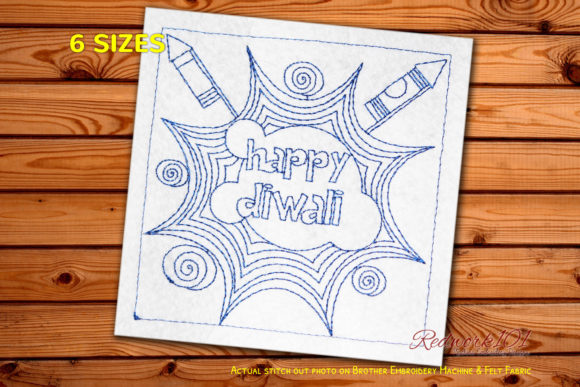
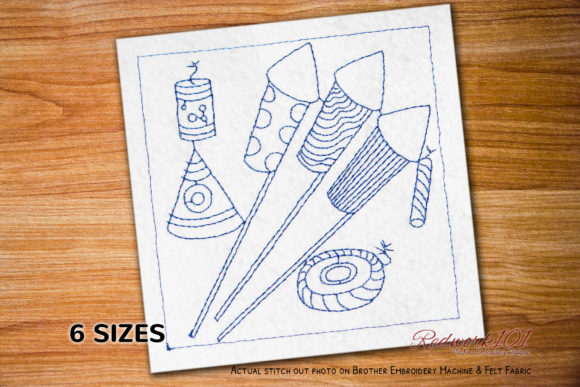
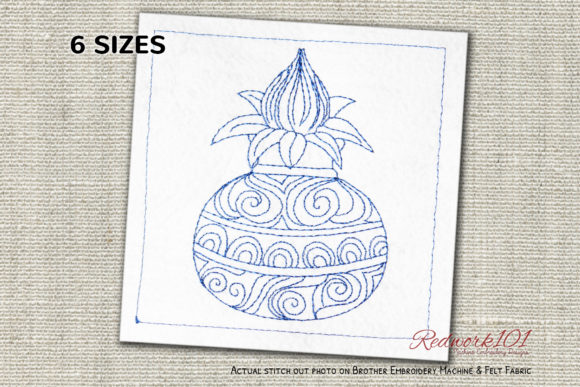
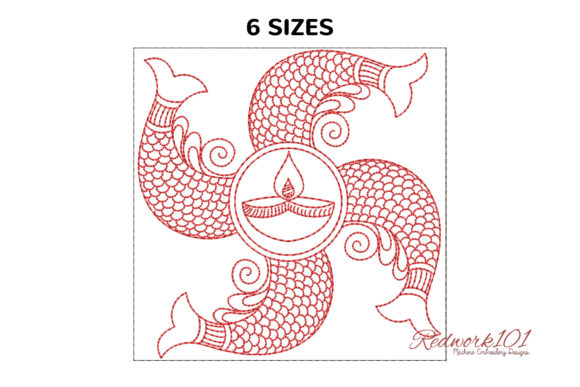
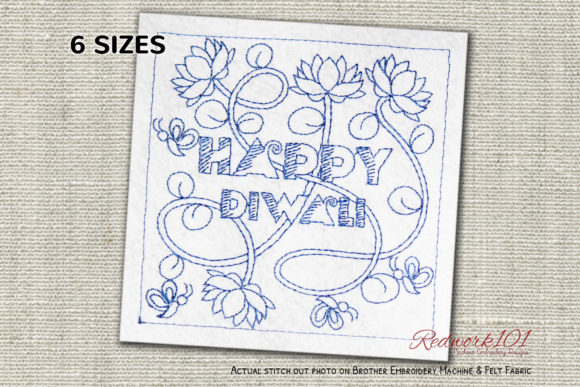
Diwali Greetings Bluework immediately evokes a sense of celebration. The blue hues are calming yet festive, making it ideal for holiday-themed projects. The layout is clean, with a balanced composition that doesn’t feel cluttered. It’s clear this design was crafted with care—each element feels intentional, from the central motif to the surrounding details.
The theme is unmistakably religious, but it’s subtle enough to work beyond just spiritual contexts. It could easily be adapted for general holiday use, especially in regions where Diwali is widely celebrated. The shape of the design suggests it would work well on flat surfaces like tote bags, pillow covers, or aprons, but less so on curved areas like caps or hats.
Real-World Embroidery Performance
When testing Diwali Greetings Bluework on different fabrics, I found it performs best on medium-weight materials. Thin or stretchy fabrics can cause distortion, especially around detailed areas. For custom apparel like sweatshirts or t-shirts, the design holds up well, but you’ll need to use a proper stabilizer to prevent puckering.
On baby clothes or delicate items, the stitch density is a consideration. While the design isn’t overly dense, it still requires careful handling to avoid overwhelming the fabric. For embroidered patches, it’s a solid choice, as the detail level allows for a professional finish without being too intricate for mass production.
For small shop products or Etsy listings, Diwali Greetings Bluework offers a unique selling point. Its aesthetic is versatile enough to appeal to both traditional and modern buyers. However, if you’re planning to sell finished products, always verify licensing terms before proceeding.
Where to Use It Carefully
There are certain scenarios where Diwali Greetings Bluework may not be the best fit. Small hoop sizes can limit your ability to stitch the entire design without re-hooping, which can disrupt the flow and increase labor time. If you're working on textured fabrics or dark backgrounds, the contrast between the bluework and the fabric may not be as striking as intended.
Dense stitch areas, such as the central motif, can be problematic on thin or stretchy materials. You might notice visible stitching lines or even fabric pilling. Tiny lettering or intricate corners may require extra attention during the digitizing process to ensure clarity after stitching.
If you're planning to use this design on layered garments or curved surfaces, consider how the stitches will lay. The design might not sit flush on a cap or a curved pillow cover, leading to an uneven appearance.
Visual Appeal and Customer Perception
Diwali Greetings Bluework adds a touch of elegance to any project. Its color scheme is soothing and appropriate for a variety of occasions. When stitched correctly, it elevates the perceived value of a handmade product, making it more appealing to customers who appreciate thoughtful design.
From a branding perspective, this design can help establish consistency in your product line. Whether you’re creating personalized gifts, boutique merchandise, or commercial embroidery projects, it maintains a cohesive look that aligns with a festive, culturally inspired aesthetic.
For giftability, Diwali Greetings Bluework is a strong contender. It’s visually engaging, easy to recognize, and carries a meaningful message. Customers are more likely to remember and appreciate a design that feels special and well-crafted.
Practical Designer Notes
Before committing to a project, I recommend testing Diwali Greetings Bluework on scrap fabric. This helps you assess how the design looks in different thread colors and fabric textures. Pay close attention to the stitch density—too much can overwhelm the material, while too little can make the design appear incomplete.
Check the hoop size required for the design. If it’s larger than your standard hoops, you may need to adjust your workflow or invest in a larger hoop. Also, inspect the small details, such as corners and lettering, to ensure they remain sharp after stitching.
Use black and white mockups to evaluate how the design translates in different settings. Compare it against both light and dark fabric backgrounds to see how the bluework stands out. Proper stabilizer is essential, especially when working with delicate or stretchy materials.
Finally, confirm whether the design is suitable for both personal and commercial use. If you’re planning to sell finished items or digital products, double-check the licensing agreement to avoid any legal issues down the line.
Final Thoughts: A Thoughtful Addition to Your Design Library
Diwali Greetings Bluework is a versatile and visually appealing embroidery design that can enhance a wide range of projects. Its cultural significance and elegant style make it a valuable asset for crafters, small business owners, and creative entrepreneurs looking to add depth to their product offerings.
While it has some limitations, particularly with smaller hoop sizes or delicate fabrics, it’s well-suited for most common embroidery applications. With proper preparation and attention to detail, this design can become a standout piece in your collection of machine embroidery files.
Whether you’re creating a custom tote bag, a holiday gift, or a boutique product, Diwali Greetings Bluework has the potential to elevate your work and connect with your audience in a meaningful way.