Gymnast in Action Stitch Applique
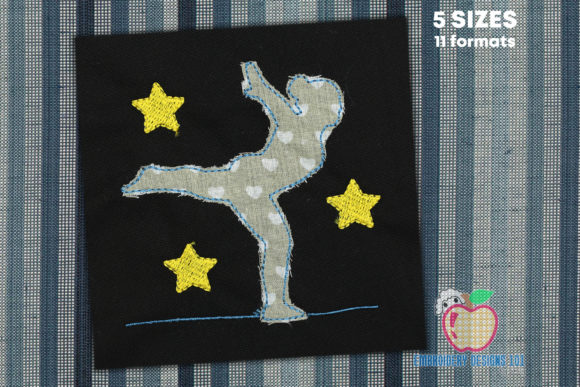
The first time I opened this machine embroidery design, I was struck by the sense of motion. A gymnast mid-routine, caught in a pose that feels both powerful and graceful. The Gymnast in Action Stitch Applique is not a stiff silhouette or a generic sport icon. It has a flowing line that suggests a real athlete in motion, which immediately tells me this was built with an eye for actual gymnastics form rather than just a cartoon figure. The applique format adds a layer of texture and dimension that standard fill stitch designs rarely match. When I see a sport-themed embroidery project cross my desk, I am usually bracing for something blocky or overly simplified. This one surprised me. It has personality, and that matters when you are stitching for a real person or a client who wants something that feels authentic.
A Design That Moves With Your Project
I recently prepped a custom tote bag for a gymnastics team gift. The goal was something the athletes could carry to practice, not just a one-time event accessory. I wanted the design to feel like it belonged on the bag, not like an afterthought slapped on with generic digitizing. The Gymnast in Action Stitch Applique worked because the pose is dynamic but not so complex that the satin stitch edges become a headache. The steps are separated by color changes, which made hooping and thread management straightforward. I used a medium-weight cotton twill for the bag itself and a contrasting felted wool for the applique fabric. The layer of applique gives the gymnast a raised, almost sculptural look that catches light and draws the eye. That kind of dimensional effect is exactly what elevates a handmade product from something that looks mass-produced to something that feels curated and intentional.
For a small business owner or Etsy seller, this design offers a clear path to a finished product that stands out in a crowded market. Whether you are stitching onto a sweatshirt, a tote bag, or an embroidered patch that will be sewn onto a gym bag, the visual payoff is immediate. The satin stitch outlines are clean enough to hold their shape on a variety of fabric textures, which means you are not limited to one type of garment or accessory. I tested it on a medium-weight sweatshirt fleece, and the applique sat beautifully without puckering. The fill stitch areas inside the design provide solid coverage, and the running stitch details add just enough definition to the limbs and torso without making the stitch density feel oppressive. That balance is hard to find in many applique designs, especially in the sports category.
Where This Design Performs Best
In real embroidery work, the success of a design depends on how well it adapts to the product you are creating. Here is where the Gymnast in Action Stitch Applique truly earns its place in your digital embroidery file library.
- Custom apparel: Sweatshirts, t-shirts, and hoodies are natural homes for this design. The pose is vertical and elongated, so it works well on a chest or back placement. On a youth-sized shirt, test the hoop size first to make sure the full figure fits without cropping the hands or feet. I found it best centered on the left chest for a subtle sporty look or centered on the back for a bold statement.
- Tote bags and accessories: This is where I had the most fun. A canvas tote bag with the gymnast applique on the front panel becomes a product that sells itself at a craft fair or in an Etsy listing. The dimensional applique texture stands out against the woven canvas, and the design holds up well to regular use because the satin stitch edges are dense enough to resist fraying. I would recommend a medium-weight stabilizer for tote bags to keep the fabric from distorting under the stitch count.
- Embroidered patches: This design translates beautifully into a patch format. Because the applique layers are separated by color changes, you can stitch the patch on water-soluble stabilizer, trim the excess fabric, and have a finished patch ready to attach to gym bags, jackets, or backpacks. The clean satin stitch borders give the patch a professional edge that customers associate with high-quality handmade goods.
- Pillow covers and blankets: For a nursery or a child’s room, the gymnast design printed on a pillow cover or a small fleece blanket creates a personalized gift that feels thoughtful. I made one for a friend’s daughter who is a competitive gymnast, and the applique held up beautifully after several washes. The key was using a cutaway stabilizer and a ballpoint needle on the fleece to avoid snagging the fabric.
- Holiday and team gifts: End-of-season team gifts, birthday presents, or holiday surprises for gymnasts are a natural fit. The design is specific enough to feel personalized but not so niche that it only works for one occasion. I have used it for a Secret Santa gift on a small tote, and the recipient immediately recognized the pose as a real gymnastics move, which gave the gift an authenticity that a generic sport design could not match.
Where to Use This Design Carefully
No design is perfect for every surface, and the Gymnast in Action Stitch Applique has a few considerations that any experienced embroiderer should keep in mind before hooping. The figure is detailed enough that shrinking it down to fit a tiny hoop can cause the delicate limbs to lose definition. If you are working with a small hoop size, test a scaled-down version on scrap fabric first. I tried a version at about sixty percent of the original size on a cap front, and while the satin stitch edges held, the running stitch details in the hands and feet became a bit muddy. On a curved surface like a cap, the design is better suited for a flat front panel rather than a curved side. The applique layers need a relatively flat surface to sit properly without puckering at the edges.
Fabric texture also matters. On highly textured fabrics like thick terry cloth or fleece with a deep pile, the satin stitch edges of the applique may sink into the fabric, reducing the dimensional effect. If you are stitching on a thick fabric, use a softer applique material like microfiber or a lightweight cotton, and consider a heavy-duty cutaway stabilizer to keep the design crisp. Stretchy fabrics like jersey knit need careful hooping and a stabilizer that prevents the fabric from shifting during the applique process. I also recommend testing thread color contrast against dark fabrics. The design reads beautifully on light and medium backgrounds, but on black or navy, the satin stitch edges can blend in if you use a dark thread. A white or light-colored thread for the satin stitch outline will make the figure pop against a dark garment.
Visual Appeal and Customer Perception
The moment a customer sees an applique design on a finished product, they recognize the extra effort. There is a tactile quality to applique that flat embroidery cannot replicate. The Gymnast in Action Stitch Applique leverages that tactile dimension to create a product that feels premium. When I posted a photo of the finished tote bag on social media, the comments focused on the depth of the design and how the pose looked like a real gymnast, not a generic clip art figure. That kind of engagement builds trust in your brand. Customers who buy handmade products are often looking for something that shows care and skill, and an applique design with clean satin stitch edges and thoughtful color separation communicates those values immediately.
For an Etsy seller or a small shop owner, this design can be a reliable asset in your product lineup. It is versatile enough to appear on multiple product types, from custom apparel to home decor to accessories, without feeling repetitive. When you list a product featuring this design, use a printable mockup that shows the applique texture clearly. Many buyers do not understand the difference between flat embroidery and applique until they see it in a photo. A well-lit mockup that highlights the dimensional layers can increase click-through rates and conversions. The design also photographs well because the satin stitch edges catch light differently than the applique fabric, creating natural contrast that reads well in product photos.
Practical Designer Notes Before You Stitch
Before you commit this design to a finished product, take the time to run through a few checks. These are the steps I take with every new machine embroidery design, and they have saved me from wasted fabric and frustration more times than I can count.
- Test on scrap fabric first. Use the same fabric type and stabilizer you plan to use for the final project. Stitch the full design and inspect the satin stitch edges, the fill stitch coverage, and the running stitch details. Look for gaps, pulling, or distortion.
- Check thread color contrast. The design uses multiple color changes. Print or view the color stop list and compare it against your fabric background. A low-contrast combination can make the pose hard to read from a distance.
- Review stitch density. While the design is not overly dense, verify that your machine can handle the stitch count for the intended hoop size. If the design is running on a small hoop at a reduced scale, the stitch density may increase and cause fabric bunching.
- Confirm hoop size. Make sure your hoop can accommodate the full design dimensions without cropping. Measure the design in your embroidery software and compare it to your hoop’s stitching area. Leave at least a half-inch margin around the design for proper hooping.
- Test in black and white mockups. Print a black-and-white outline of the design and place it on a photo of your product. This helps you visualize placement and scale before you commit to stitching.
- Compare light and dark fabric backgrounds. The same thread palette will look different on a white tee versus a navy hoodie. Stitch a small test on both if possible to see how the colors shift.
- Use proper stabilizer. For applique designs, a cutaway stabilizer is usually the safest choice because it provides long-term stability for the satin stitch edges. Tear-away stabilizer may cause the edges to distort over time, especially on garments that are washed frequently.
- Check licensing for commercial use. The Gymnast in Action Stitch Applique comes with multiple embroidery file formats and is designed to work with multiple machines, but you must confirm the license terms before selling finished items made from this design or distributing the digital embroidery file itself. Every designer has different rules about commercial use, and respecting those terms protects your business and your reputation.
Final Thoughts on This Machine Embroidery Design
The Gymnast in Action Stitch Applique is a design that rewards careful preparation and thoughtful product selection. It is not a design you can rush through without testing, but the results are worth the extra effort. The dimensional applique layers, the clean satin stitch outlines, and the authentic athletic pose combine to create a finished product that feels professional and intentional. Whether you are stitching a one-of-a-kind personalized gift for a gymnast or producing a batch of tote bags for a team order, this design holds its own in the sports embroidery category. It gives your customers something they cannot find on a store shelf, and that is exactly what keeps a craft business growing.
If you are an embroidery designer, a small shop owner, or a creative entrepreneur looking for a sporty applique that actually looks like the athlete it represents, this design deserves a spot in your collection. Take the time to test it, pair it with the right fabric and stabilizer, and you will have a product that speaks for itself. The Gymnast in Action Stitch Applique is more than a file in your digital library. It is a tool for building trust, creating value, and delivering handmade products that people remember.