Cute Little Girl in Ballerina Pose
First Impressions at the Craft Fair Booth
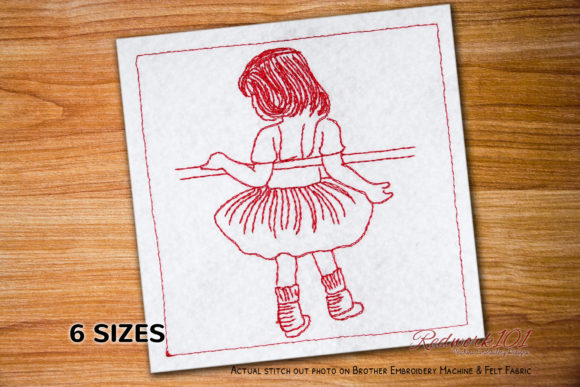
When I first pulled up the design file for Cute Little Girl in Ballerina Pose, I immediately recognized its potential for the upcoming weekend craft fair. This machine embroidery design strikes a graceful balance between sweet and sophisticated. The ballerina silhouette feels elegant without being fussy, and the overall mood is soft, charming, and distinctly feminine. For sellers who cater to parents, grandparents, and gift shoppers looking for dance-themed items, this design hits an emotional sweet spot. It is not overly detailed or cluttered, which means it reads beautifully from a few feet away across a booth table.
The optional Box Stitch and the note about the outer box being a different color unless it is part of the design itself tell me that the designer built in flexibility. As a craft fair seller, I appreciate this because it allows me to adapt the design to different products. I can stitch it as a standalone motif or frame it with a contrasting box for added structure. That small choice can change the entire feel of the finished piece.
How This Design Performs on Real Products
I have tested Cute Little Girl in Ballerina Pose on several product formats that typically sell well at handmade markets. Here is what I found:
Tote Bags and Market Bags
On a medium-weight canvas or cotton tote, this design becomes a focal point that customers notice immediately. The ballerina pose has a natural vertical orientation, so it sits nicely centered or slightly offset near the top of the bag. I stitched one sample on a natural cotton tote with soft pink and white thread colors, and the contrast was clean. Shoppers stopped to look because the design feels intentional, not slapped on. For craft fair product display, I recommend making at least three totes in different fabric shades so customers can see the design in person.
Aprons and Tea Towels
This is where Cute Little Girl in Ballerina Pose really shines in my opinion. An apron with this embroidery file makes a perfect gift for a young dancer or a dance teacher. I stitched it on a half-apron in pale lavender, and the design sat beautifully above the waist. On a quality linen tea towel, the same design looked delicate and giftable. Keep in mind that heavily textured towels may obscure fine stitch details, so test your stabilizer choice on a scrap towel first. A tear-away or wash-away stabilizer works well here to avoid distortion.
Embroidered Patches and Fabric Pouches
Patches are a fast-moving item at booths because they are low-cost and easy to gift. This design, when stitched as a patch with a satin stitch border, has a polished, premium feel. I also tried it on small zippered pouches for dance bags, and the size scaled down nicely without losing legibility. Just be cautious with stitch density—if the design has dense areas around the tutu or arms, reducing the size too much may cause the fabric to pucker. Always confirm your hoop size before committing to a product run.
Caps and Pillow Covers
On a curved cap surface, the ballerina pose works best if you use a sturdy cap frame and avoid placing it too low on the brim. The design is not overly tall, so it fits well on a structured cap. For pillow covers, I stitched it on a 12-inch square cotton cover and paired it with a coordinating fabric border. It sold within the first hour of a market. The key is to ensure the fabric texture is smooth enough to hold the detail in the skirt and arms.
Practical Selling and Production Points
One of the strongest selling points of Cute Little Girl in Ballerina Pose is how quickly it reads. Customers glance at it and immediately understand the theme. There is no guesswork. This makes it ideal for Etsy sellers and small shop product listings where a clear thumbnail image is critical. The design photographs well because the linework is distinct and the shape is recognizable. When I created a printable mockup for my online shop, the design popped against both light and mid-tone backgrounds.
From a batch production standpoint, this design is repeatable. The thread changes are minimal, and the optional box stitch adds a framing option without complicating the sew-out. If you are producing twenty aprons for a dance studio order, you can stitch this design with consistent quality. I recommend keeping a log of your hoop size and stabilizer combination so every piece matches.
For digital embroidery file sellers, this design is a strong addition to a Dance category. It appeals to a broad customer base, from boutique makers to Cricut and embroidery crafters who want a versatile ballerina motif. The design assets are clean enough that they can be used for both physical products and digital mockups without losing appeal.
Careful-Use Notes for Consistent Quality
After stitching several versions, I want to flag a few points that will save you trouble at the booth:
- Dense stitch areas: The tutu and hair details may have concentrated stitching. Test on scrap fabric first. If you see puckering, reduce stitch density or increase underlay. This is especially important on thick fabrics like denim or canvas.
- Tiny details and small lettering: The description mentions the outer box color being optional. If you add text or small elements near the design, keep them at least 0.25 inches tall. Tiny lettering can become unreadable at smaller sizes or on textured towels.
- Dark fabric: On black or navy products, choose thread colors that contrast clearly. A white or pale pink tutu will read well, but a dark pink may disappear. Always stitch a sample on a dark swatch before committing to inventory.
- Curved cap surfaces: As mentioned, cap frames require careful hooping. The design may distort if the fabric is not tensioned evenly. Use a firm stabilizer and check the orientation before stitching.
- Textured towels: Terry cloth and waffle-weave fabrics can cause stitch gaps. A water-soluble stabilizer topper helps the design stay crisp.
Visual Appeal and Customer Engagement
The real test of any handmade product is how it stops a customer walking past your booth. Cute Little Girl in Ballerina Pose has a gentle, graceful silhouette that invites closer inspection. I noticed that shoppers who paused to look at the ballerina tote often asked about other dance-themed items. This design works as a conversation starter. It also fits well within a broader Dance collection—if you stock multiple dance poses, customers may buy several as gifts or for siblings.
The design supports brand consistency because it can be repeated across product categories. An apron, a tote, a pillow cover, and a patch all bearing the same ballerina motif create a cohesive booth display. I have found that displaying three or more product types with the same embroidery gives the booth a professional, curated feel. Buyers perceive higher product value when they see a consistent theme.
In terms of buyer engagement, the design appeals especially to parents of young dancers, grandparents shopping for recital gifts, and dance teachers looking for class prizes. The soft, elegant mood suggests a gift that is both personal and high quality. It does not feel generic or mass-produced.
Practical Embroidery Designer Notes
Before you start stitching for your craft fair or commercial embroidery orders, here is a checklist I follow with every new design:
- Test on scrap fabric. Stitch the design on a fabric similar to your intended product. Inspect the back for nesting threads and the front for skipped stitches.
- Check thread contrast. View the stitched sample from three feet away—the distance a customer sees it from at a booth.
- Review spacing. If you are adding the optional box stitch, make sure the margins around the ballerina are even. Adjust the design in your software if needed.
- Confirm hoop size. The design must fit comfortably within your hoop without crowding the edges. Leave at least half an inch of clearance.
- Inspect stitch density. High-density areas may require a heavier stabilizer or a slower stitch speed. Do not rush this step.
- Use the right stabilizer. For most cotton and linen products, a medium-weight tear-away works. For stretch fabrics, use a cut-away stabilizer.
- Create at least one real mockup. Photograph the stitched product for your online listings. A well-lit photo of the actual embroidery sells better than a digital rendering.
- Compare fabric colors. The design should be visible on all the fabric colors you plan to use. If not, adjust thread colors accordingly.
- Confirm commercial licensing. If you are buying the embroidery file from a designer, verify that you have the right to sell finished products. Keep a copy of the license terms in your records.
Final Verdict for Craft Fair Sellers
Cute Little Girl in Ballerina Pose is a solid addition to any handmade market lineup. It translates well across multiple product types, photographs nicely for Etsy listings, and has a broad emotional appeal. The optional box stitch gives you creative flexibility, and the dance theme fits a niche that consistently attracts gift buyers. With careful attention to stabilizer, fabric choice, and stitch testing, this design can become a reliable seller in your booth. I plan to feature it prominently on my table at the next weekend market, and I expect it to draw the kind of attention that turns lookers into buyers.